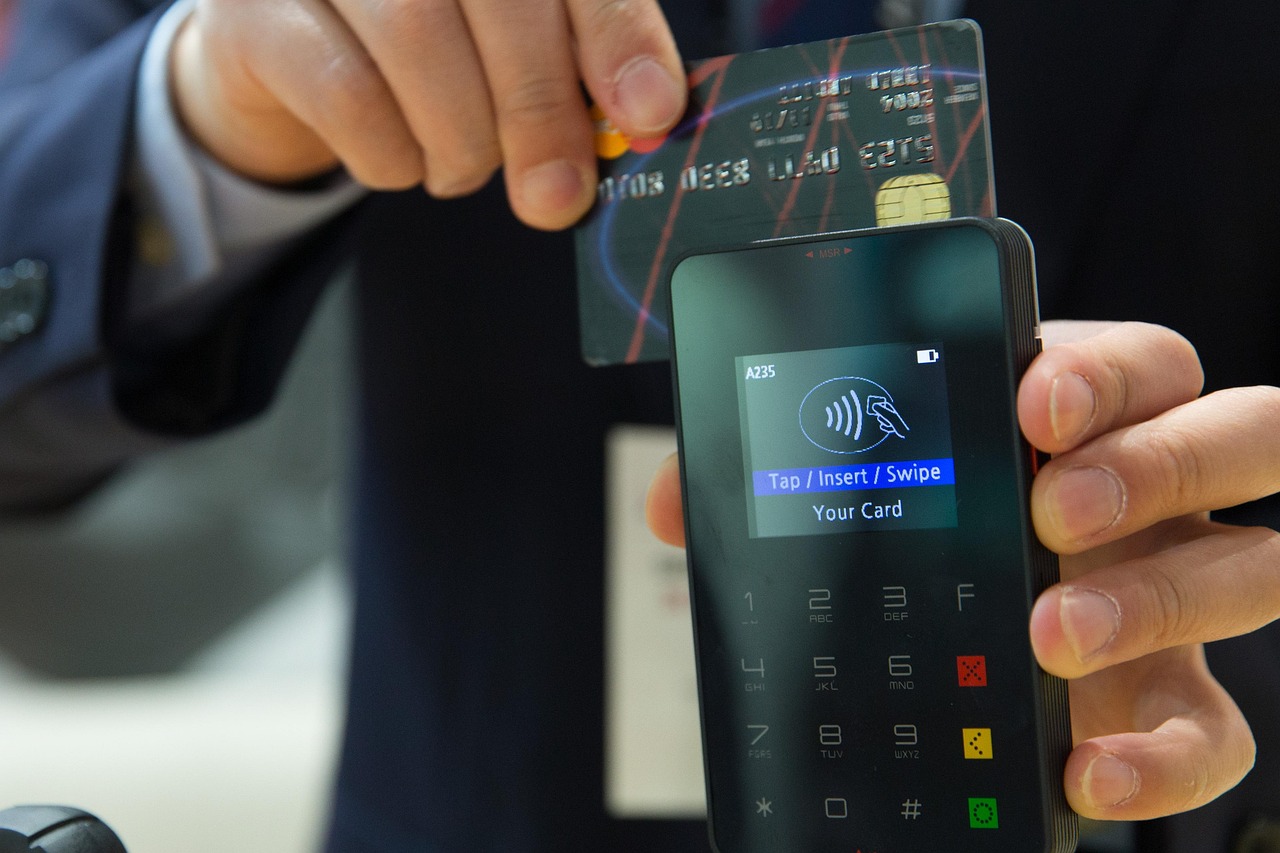
What is a no annual fee credit card?
When people talk about fee-free credit cards, they usually mean cards that don't charge an annual or monthly fee just for holding them. That doesn't mean they are free in every situation. Withdrawing cash, carrying a balance, making only the minimum repayment or spending in a foreign currency can all still cost money. Before applying, it makes sense to look at the cost based on how you will actually use the card, not just the annual fee.
There are several credit cards in the UK with a £0 annual fee. In the offers we compare, these include the Halifax Clarity Card, the Chase Credit Card with 1.5% cashback, the Amex Platinum Cashback Everyday, The American Express Rewards Credit Card and the British Airways American Express Credit Card, all listed at £0 a year. Other cards in our list do charge a fee, such as the Barclaycard Avios Plus at £20 a year, the Amex Cashback Credit Card at £25 a year and the Nectar Credit Card at £30 a year. This guide explains what that £0 covers and what it doesn't.
What "no fee" actually covers
A "no fee" claim usually refers to:
- Annual or monthly account fee: the amount charged each year, or each month, for having the card.
- Card issue and replacement on expiry: the cost of sending you the card at the start and a new one when it expires.
It does not normally cover the costs that depend on how you use the card, such as interest, cash withdrawals, foreign currency spending or penalty charges.
Check whether the fee stays at zero
Some cards only waive the fee for the first year, or only while you meet certain conditions, such as spending a minimum amount each year or holding other products with the same provider. If you stop meeting them, a fee may start to apply. Check in the terms whether the fee waiver is permanent or conditional, and what happens if you no longer qualify.
Cards with a fee can still make sense
Cards that charge an annual fee often come with rewards such as points, airline miles or higher cashback rates. A paid card only works out if the value of the rewards you realistically earn is higher than the fee. Base that calculation on your normal spending, not on the maximum rewards shown in the advertising.
The costs that remain
With no annual fee, what you pay depends on how you use the card. These are the most common charges.
Cash withdrawals
Taking cash out of an ATM with a credit card is not the same as doing so with a debit card. Providers usually charge a cash advance fee, often a percentage of the amount with a minimum charge. Depending on the terms, interest may also be charged from the day of the withdrawal, even if you clear your balance in full each month. If you need cash, a debit card is usually the more sensible option.
Interest and APR
A credit card generally lets you repay in one of these ways:
- Pay the full balance: you clear everything shown on your statement by the due date, which normally means no interest on purchases.
- Pay part of the balance: you pay more than the minimum but less than the full amount, and interest is charged on what remains.
- Pay the minimum: you pay the lowest amount required, and the rest of the balance carries over and builds up interest.
If you regularly carry a balance, the annual fee matters far less than the interest rate. Look at the APR, which combines interest and certain compulsory charges into a single percentage, and compare it between cards. It appears in the pre-contract information and the summary box you receive before applying.
Making only the minimum repayment
Credit card borrowing works as a running line of credit: whatever you don't repay stays as debt that builds up interest, and each repayment frees up credit to spend again. If you only pay the minimum, a large share of each payment goes on interest and the balance comes down very slowly. Before applying, check:
- How the minimum repayment is calculated and how much of it reduces the balance.
- Whether you can set up a Direct Debit to pay the full balance automatically each month.
- How to change your repayment amount through the app or online banking.
Spending in foreign currencies
When you pay in a currency other than pounds, many cards charge a non-sterling transaction fee, usually a percentage of each transaction. On top of that is the exchange rate applied by the card network or provider. If a shop or ATM abroad offers to charge you in pounds, compare before accepting: that conversion is done by the merchant or ATM operator and can work out more expensive. Some cards also charge a separate fee for cash withdrawals abroad.
Other costs to check
- Late payment charges or fees for a returned payment.
- Charges for going over your credit limit.
- Fees for balance transfers or money transfers, if you use them.
- The cost of an additional card for another person, where this applies.
- Insurance or protection products that are charged separately.
Debit, credit or prepaid: which suits you
Debit card
Each payment is taken straight from your current account. There is no interest because you are not borrowing, and withdrawing cash is usually cheaper. It is a suitable option if you want to keep tight control of your spending. Check whether your bank charges for using the card abroad or for withdrawing cash outside the UK.
Credit card
A credit card lets you pay later and spread costs, and some include rewards such as cashback, points or airline miles. For example, the Chase Credit Card in our list offers 1.5% cashback with no annual fee, and the British Airways American Express Credit Card collects airline rewards with no annual fee. These rewards usually come with conditions and limits that are worth reading. A credit card works best if you pay the full balance each month. If you carry a balance often, the interest can outweigh any rewards.
Prepaid card
You load money onto the card and can only spend what you have loaded. It can be useful for online shopping, for younger people or for limiting spending on a trip. Check whether you are charged for topping up, for withdrawing cash or for not using the card for a period of time.
Business cards
If you are looking for a card for business spending, there are separate business products, such as The American Express Business Gold Card at £195 a year or the British Airways American Express Accelerating Business Card at £250 a year. Compare the fee with the rewards and features your business would actually use.
Checklist before you apply
- Annual fee: check whether the card is fee-free permanently or only under certain conditions.
- Fee waiver conditions: minimum spending, introductory periods or other products you need to hold.
- Repayment set-up: whether you can pay the full balance automatically by Direct Debit.
- APR: shown in the summary box and pre-contract information.
- Cash: the cash advance fee and whether interest applies from day one.
- Foreign currency: the non-sterling transaction fee and any charges for cash withdrawals abroad.
- Penalty charges: for late payment, going over the limit and returned payments.
- Rewards: what you would realistically earn compared with any annual fee.
- Real use: do the sums with your usual spending, not the best case shown in the advertising.
Frequently asked questions
Is a no annual fee credit card completely free?
Only if you use it without triggering other costs: you pay the full balance each month, don't withdraw cash on it and don't make foreign currency payments that carry a fee. The £0 annual fee only covers the cost of holding the card.
Can a fee be introduced later?
Yes, if the fee was only waived for an introductory period or depended on conditions you stop meeting. Providers may also change their terms, so read the contract and any notices of changes they send you.
How do I know if I'm paying interest?
Check your monthly statement or the app. If you don't clear the full balance by the due date, interest is normally charged on the remaining amount. Setting up a Direct Debit for the full balance is a simple way to avoid this on purchases.
Is it better to withdraw cash with a debit or a credit card?
In general it costs less with a debit card, because cash withdrawals on a credit card usually carry a fee and may build up interest from the first day.
Which card is more practical for travelling outside the UK?
The one that charges less for foreign currency transactions and for withdrawing cash abroad. Compare those two costs, and any limits, before looking at the annual fee.