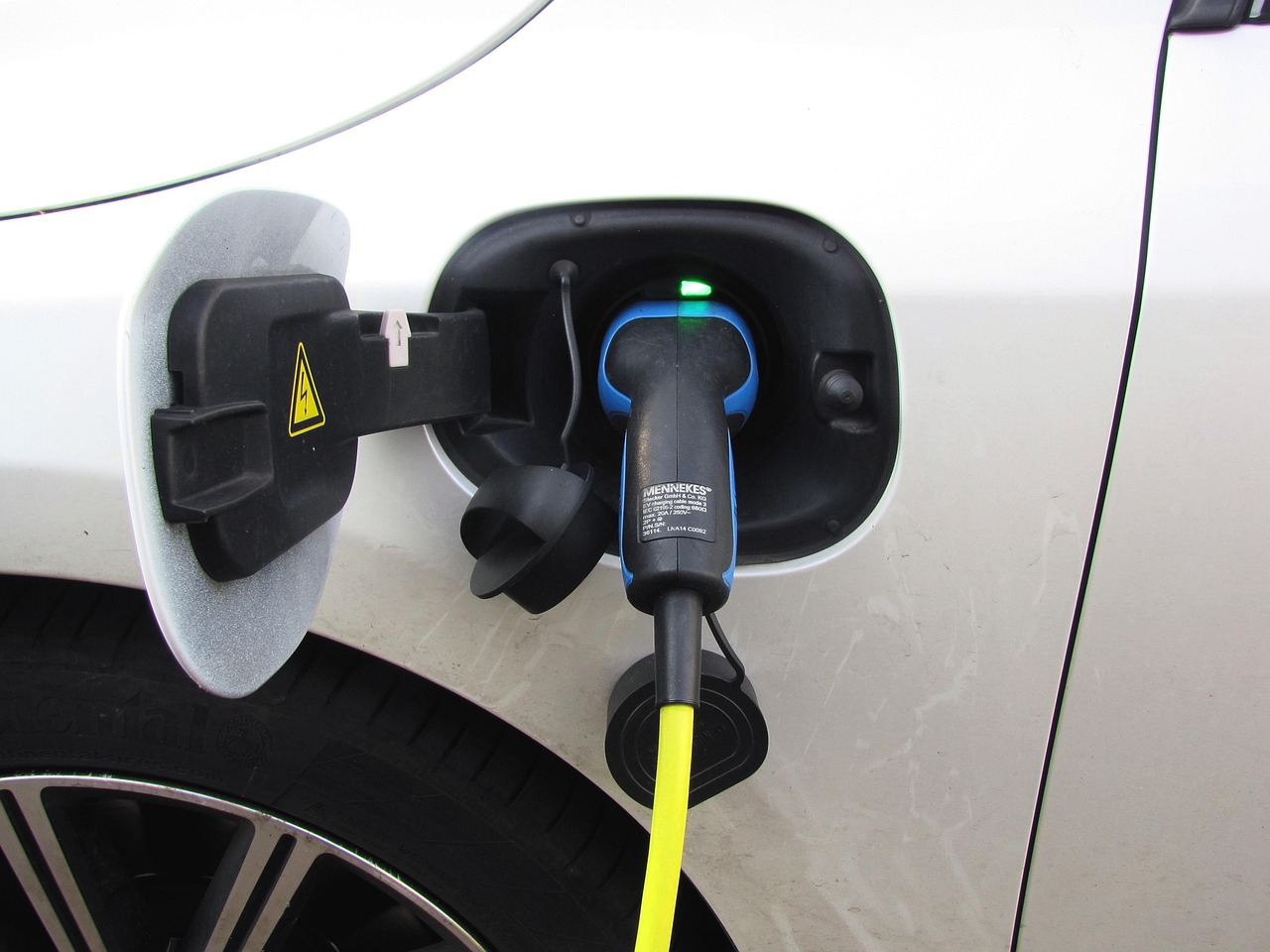
If you are deciding between a plug-in hybrid and a hybrid, here is the short answer. A plug-in hybrid (PHEV) usually makes sense if you can charge it almost every day at home or at work and most of your journeys fit within its electric range. A conventional or "self-charging" hybrid (HEV) is usually cheaper to buy, does not need a plug and is a practical choice if you have nowhere to charge or regularly drive long distances. Below we explain how they differ, what each one really costs to run and what to check before you commit.
How does a hybrid differ from a plug-in hybrid?
Both combine a combustion engine with one or more electric motors. The difference lies in the size of the battery and how it is recharged.
- Conventional hybrid (HEV, full or self-charging hybrid): it has a small battery that recharges itself through braking and from the petrol engine. You do not plug it in. It can move on electric power alone at low speeds and for short stretches, but the petrol engine does most of the work.
- Plug-in hybrid (PHEV): its battery is much larger and is recharged from a socket or chargepoint. Depending on the model, it can cover a meaningful distance on electricity alone. When the battery runs out, it behaves like a normal hybrid.
- Mild hybrid (MHEV): a light electrical system, usually 48V, that assists the combustion engine but cannot drive the car on electric power alone. Many models with "Hybrid" in their name are of this type, so check the specification sheet.
Low-emission and clean air zones
Several UK towns and cities run low-emission or clean air zones, and some have their own charges or restrictions on certain vehicles. Each scheme sets its own rules, and the treatment of hybrids and plug-in hybrids can differ from that of fully electric cars. If you live or work in a city with such a zone, check the local scheme before you decide. In some cases this can matter as much as the purchase price.
Purchase price versus running costs
In general, a plug-in hybrid costs more than an equivalent hybrid because it carries a larger battery. Whether you recover that difference depends on two things: where you charge and how many miles you drive, and what kind.
If you can charge at home or at work
This is where a PHEV makes most sense. If you charge overnight on an off-peak or EV electricity tariff and your daily journeys fit within the electric range, a large share of your miles will be covered on electricity. In that case, your petrol spend drops considerably compared with a hybrid.
If you rely on public charging or cannot charge
A plug-in hybrid that is rarely plugged in becomes a heavier hybrid, and its fuel consumption can be higher than an HEV's. Public charging also tends to cost more per kWh than charging at home. If you have no driveway or garage with a socket and no chargepoint at work, a conventional hybrid is usually the simpler and more predictable option.
Lots of motorway miles
On long journeys, a PHEV's battery runs down quickly and the car then runs mainly on petrol. If most of your miles are on motorways and A-roads, the plug-in's advantage shrinks. A conventional hybrid, by contrast, works the same way in every scenario.
How to do your own calculation
- Work out what share of your annual mileage you could drive on electricity: the daily journeys that fit within the real-world range, which is usually lower than the official figure.
- Multiply those miles by the model's electricity consumption and by the price per kWh on your tariff.
- Add the remaining miles multiplied by the fuel consumption in hybrid mode and by the price per litre.
- Compare the result with the annual running cost of the HEV and weigh it against the difference in purchase price or monthly payment.
Reference monthly payments on Vuskoo
These are some monthly payments currently listed on Vuskoo. They include a conventional hybrid, a petrol car and several fully electric models for reference. Always check the terms, contract length, initial payment and exact version of each offer.
- Volkswagen Polo 1.0 TSI 95 Style: £149/mo (petrol, for reference).
- Toyota Yaris 1.5 Hybrid Design: £229/mo (conventional hybrid).
- Nissan Leaf 40 kWh Acenta: £229/mo (electric, for reference).
- Kia EV6 GT-line 77.4 kWh: £349/mo (electric, for reference).
- Tesla Model 3 Standard Range: £399/mo (electric, for reference).
With models badged "Hybrid", check the specification sheet to confirm whether it is a full hybrid, a mild hybrid or a plug-in hybrid. The technologies do not consume the same amount of fuel, and only a plug-in can be charged from the mains.
Grants, tax and incentives
Government incentives for cars change over time and tend to favour vehicles with the lowest emissions. Before you buy or lease, check:
- Whether any purchase grant or discount currently applies to the exact model and version, and whether plug-in hybrids are included or only fully electric cars.
- How vehicle tax applies to the model you are considering.
- If it will be a company car, how benefit-in-kind tax is calculated for it, as the result can depend on emissions and electric range.
- Whether any support is available towards installing a home chargepoint.
Ask the dealer or leasing company to confirm in writing any discount or incentive included in the price.
So, plug-in hybrid or hybrid?
A plug-in hybrid suits you if: you have a regular place to charge, you mostly drive in town or over medium distances, and the model's electric range covers your daily round trip.
A conventional hybrid suits you if: you cannot charge at home or at work, you drive many motorway miles, or you want a lower monthly payment or purchase price without depending on charging access.
Checklist for comparing models
- Type of hybrid: plug-in, full hybrid or mild hybrid, according to the specification sheet.
- Real-world electric range: compare it with your daily round trip.
- Where you will charge: your own driveway, shared parking, work or public chargers, and what you pay per kWh.
- Local rules: any low-emission or clean air zone where you live or work.
- Incentives and tax: any grant, vehicle tax and, for company cars, benefit-in-kind tax.
- Monthly payment and terms: initial payment, contract length, annual mileage allowance and services included.
- Actual use: the proportion of your miles in town and on faster roads.
Frequently asked questions
Can a self-charging hybrid be plugged in?
No. A conventional hybrid charges its small battery through braking and from the engine. Only a plug-in hybrid or a fully electric car can be charged from a socket or chargepoint.
Does a plug-in hybrid make sense if I cannot charge at home?
Only if you have somewhere else to charge regularly, such as at work. If you rarely plug it in, you usually lose the fuel saving and pay extra for the larger battery.
Is a mild hybrid the same as a full hybrid?
No. A mild hybrid only assists the engine and cannot drive on electric power alone, so its fuel savings are generally smaller. Check the specification sheet rather than relying on the badge.
Should I consider a fully electric car instead?
If you can charge regularly and your longer journeys fit your charging options, an electric car is worth comparing alongside a plug-in hybrid. The reference payments above include several electric models.