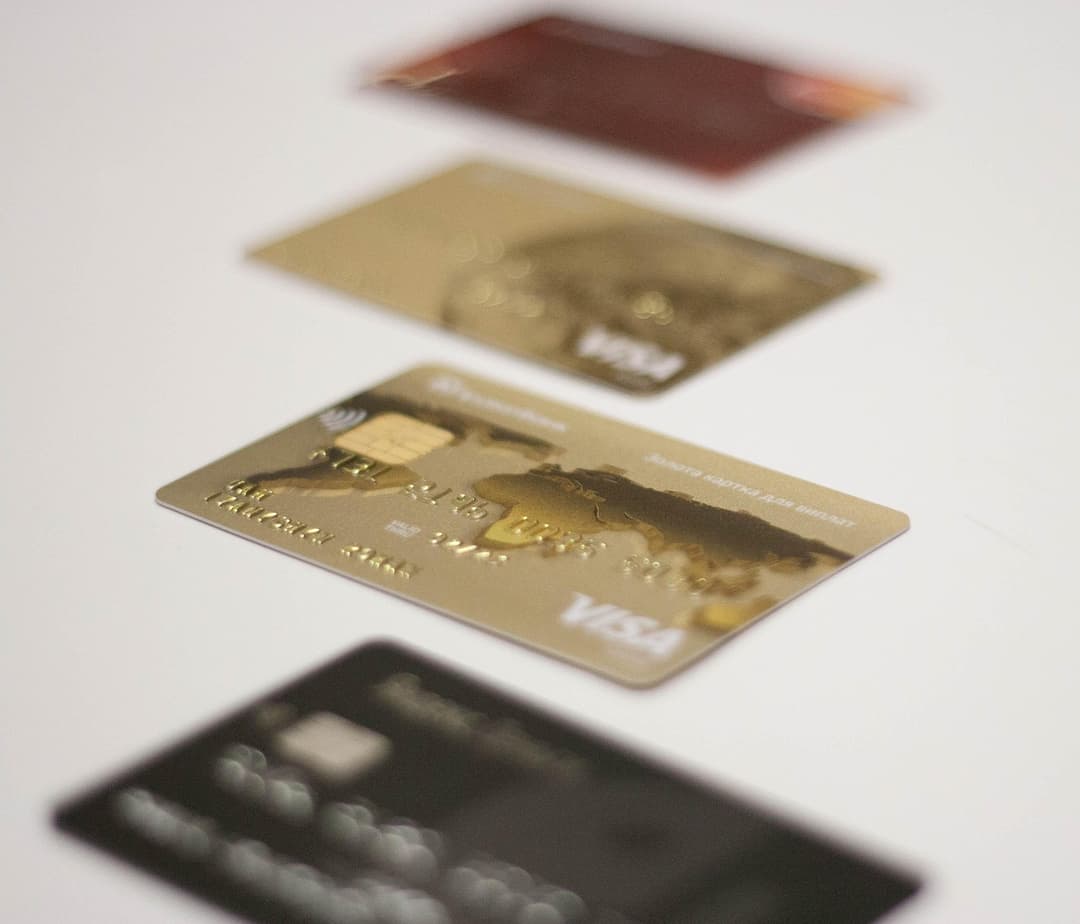
Cashback cards return a percentage of what you spend on them, either as money, as points or through round-ups that move spare change into savings. What you actually get back depends on four things: the rate applied, which retailers and purchases count, the monthly or annual cap on rewards, and the costs of the card itself (annual fee, cash withdrawals, foreign transaction fees and interest). If any of those costs is higher than the cashback, the benefit disappears.
This guide covers the types of reward on offer, how to estimate what you would earn from your monthly spending, the small print you will commonly find and a checklist to use before you apply.
How do cashback cards work?
Each time you pay with the card, the provider records the purchase. If it meets the scheme's conditions, part of the amount is credited back to you. Depending on the provider, this can happen straight away, once a month or once a year, often on the anniversary of opening the account.
It helps to know where the money comes from. Card providers earn a small fee from retailers on each transaction, and in the UK these fees are capped for most consumer cards. Because that margin is small, high cashback rates usually come with limits, introductory periods or specific retailers that fund part of the reward.
Debit, credit and prepaid
- Debit: payments come straight out of your current account. There is no interest, but some banks only offer rewards if you pay in a minimum amount each month or hold a certain number of Direct Debits.
- Credit: you pay off the balance at the end of the statement period or over time. This is where the risk of interest outweighing the cashback is greatest. Most cashback cards in the UK are credit cards.
- Prepaid: you load money onto the card and can only spend what you have loaded. These can be useful for online shopping or keeping spending under control, although few come with a reward scheme.
Types of reward: direct cashback, points and round-ups
Cards do not all reward you in the same way or by the same amount. These are the three most common models.
Direct cashback
You receive pounds, credited to your card balance or account, usually as a percentage of eligible purchases. This is the easiest format to compare because the value is exact.
Points, miles and Avios
You collect points that you later redeem for discounts, vouchers, flights or statement credit. Their real value depends on the redemption options: two schemes that give the same number of points per pound can be worth very different amounts. Airline cards such as the British Airways American Express® Credit Card or the Barclaycard Avios Plus earn Avios, and the Nectar Credit Card earns Nectar points. Check whether points expire and whether some rewards, such as companion vouchers, depend on reaching a spending threshold.
Round-ups and automatic saving
Instead of paying you money to spend, some accounts set aside part of each purchase, or round it up to the next pound, and move it into a savings pot or investment product. Bear in mind that with round-ups the money usually comes out of your own balance: it is automatic saving, not a reward paid by the bank. Where the provider itself adds a contribution, it is sometimes invested, so its value can go down as well as up.
How to work out what a cashback card would pay you
The advertised rate rarely applies to all your spending. To estimate what you would get back, work through these steps using your statements from the last few months:
- Split your monthly spending into categories: groceries, fuel, eating out, online shopping, travel and bills.
- Remove what does not count: most schemes exclude cash withdrawals, balance transfers, money transfers, gambling transactions and often some bill payments. Many bills paid by Direct Debit come from your current account anyway, not your card.
- Apply the rate for each category to the part of your spending that qualifies. Some cards use tiered rates, with a lower rate up to a certain annual spend and a higher one above it.
- Compare the result with the cap: if the calculated cashback is higher than the maximum, you will only receive the maximum.
- Subtract the costs: annual fee, cash withdrawal charges, foreign transaction fees and any interest if you do not clear the balance.
The formula is: net cashback = the lower of (qualifying spend × rate) or the cap, minus costs. If the result is negative or close to zero, the card is not worth it for the cashback, although it may still be useful for other reasons.
Common caps and exclusions
The small print decides how much you actually receive. The most common conditions are:
- Cashback limit per month, per year or per purchase.
- Introductory rate: a higher rate for the first few months, often up to a spending limit, which then falls.
- Selected retailers: extra cashback only at certain shops, sometimes only after activating the offer in the app.
- Eligibility requirements: a minimum monthly spend, a minimum income or holding another product with the same provider.
- Excluded categories: cash, money transfers, balance transfers, gambling, some top-ups of digital wallets and, occasionally, certain types of bill.
- Refunds: if you return an item, the related cashback is usually taken back.
Costs that can cancel out the benefit
Annual fee
Some providers offer a fee-free version of a card but reserve the higher rates or extra perks for a version with an annual fee. For example, American Express offers both the Amex® Cashback Everyday Credit Card with no annual fee and the Amex® Cashback Credit Card with a £25 annual fee. Always check whether the extra cashback covers the fee based on your real spending.
Cash withdrawals
Withdrawing cash does not earn cashback. On credit cards it usually comes with a fee and interest charged from the day you take the money out, with no interest-free period.
Foreign transaction fees
If you pay in another currency, check the non-sterling transaction fee and any charges for cash withdrawals abroad. A fee on every purchase made overseas can easily outweigh a small cashback rate. Some cards, such as the Halifax Clarity Card, are aimed at spending abroad, so compare both the fees and the rewards.
Interest on unpaid balances
This is the biggest cost. If you carry a balance on a credit card, the interest will far exceed any cashback rate. Paying only the minimum each month can mean the debt takes a long time to clear and costs considerably more overall. If you choose a credit card for its cashback, set up a Direct Debit to pay the full balance every month.
Cards with no annual fee you can compare
The offers listed on Vuskoo include several cards with a £0 annual fee. This matters because any fee comes straight off what you get back:
- Cashback cards: Chase Credit Card — 1.5% cashback, Amex Platinum Cashback Everyday and Amex® Cashback Everyday Credit Card, all at £0 a year.
- Points and travel rewards: The American Express® Rewards Credit Card and British Airways American Express® Credit Card, at £0 a year.
- Other cards with no annual fee: Halifax Clarity Card and the American Express Basic Card, at £0 a year. Check whether these come with any reward scheme before choosing them for cashback.
Cards with an annual fee include the Barclaycard Avios Plus (£20 a year), the Amex® Cashback Credit Card (£25 a year), the Nectar Credit Card (£30 a year) and premium cards such as the American Express® Preferred Rewards Gold Credit Card (£195 a year). These only make sense if the rewards you would actually use are worth more than the fee.
A £0 annual fee does not mean the reward scheme has no conditions. In each case, check which purchases the rate applies to, any cap, how long the rate lasts and whether there is a minimum spend.
Checklist for comparing cashback cards
Before applying for a card, go through these points:
- Type of reward: pounds, points or round-ups, and who pays for it.
- Rate for each category, and whether it is permanent or introductory.
- Monthly or annual cap on cashback.
- Excluded purchases and retailers.
- Requirements: minimum spend, minimum income or other products.
- Annual fee for the card.
- Cash withdrawal charges and foreign transaction fees.
- For credit cards: whether you will clear the balance in full each month, and the representative APR.
- When and how the cashback is paid, and whether it expires.
Frequently asked questions about cashback cards
Is a debit or credit cashback card better?
It depends on how you pay. Debit cards avoid interest. Credit cards often offer more rewards, but they are only worth it if you pay off the full balance every month.
Are round-ups the same as cashback?
No. With round-ups, the money set aside usually comes from your own account, so it is a way of saving. With cashback, the provider pays the reward.
Why is the real rate lower than the advertised one?
Because it applies only to certain purchases, has a cap and is sometimes introductory. Work it out based on your actual qualifying spending, not on everything you pay for.
Can I have more than one cashback card?
Yes, and some people use each card for the category where it pays most. Bear in mind that each credit application may appear on your credit file, and more cards mean more possible fees and more conditions to keep track of.